How a trace and access insurance claim works
Stop the water, check your policy, have a specialist find and reach the leak, then send your insurer the report with the invoice. Here is each step, and where claims tend to go wrong.
Call an engineer0333 567 2646Leak reports emailed within 48 hours. A guide from ADI Leak Detection. Lines open 7:30am to 6:30pm, Monday to Friday.
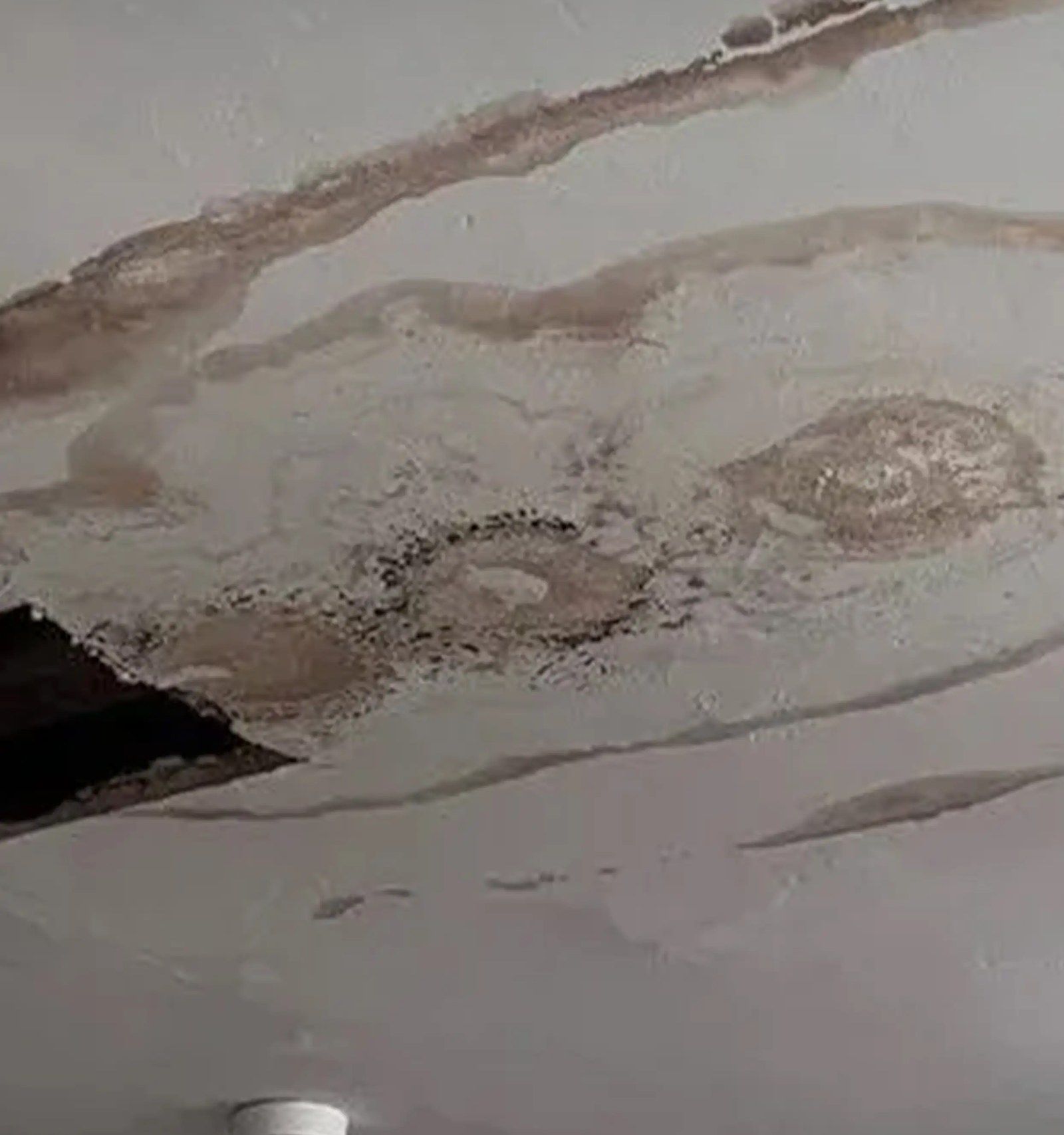
Before you claim: stop the water leak
Assuming the leak is still running, the first thing you should do is turn off the stopcock (some people call it the stop tap or the main water valve).
- Find the stopcock. It is usually under the kitchen sink or where the water pipe comes into the house. If it won't turn, don't force it: call a plumber.
- Turn the heating off if the boiler keeps losing pressure or the leak looks warm.
- Keep water away from electrics. If it is near sockets or light fittings, switch off at the consumer unit, but only if you can reach it safely.
- Take photos now, with the date on them: stains, bubbled paint, lifted flooring, the meter reading.
- Move what you can out of the wet, and keep anything damaged until the insurer says otherwise.
How to make a trace and access claim, step by step
Tell your insurer
Report the leak and ask four things: is trace and access included, what is the limit, can you choose your own specialist, and do they need to approve a quote first.
Book the investigation
Describe what you have noticed. The advisor will tell you which kind of investigation fits, what it costs and when an engineer can come.
The engineer traces the leak
A full working day is set aside, and the engineer marks where the readings point. Opening up and the repair are quoted separately. The methods, explained one at a time.
The report lands in your inbox
Within 48 hours of the visit, set out in the format insurers work with.
Send it all to your insurer
The report, the invoice, your photos, and quotes for putting the floor or wall back. Sending everything together saves a round of emails.
Repairs and making good
Putting back what was opened comes under trace and access. Water damage to the rest of the home is settled under escape of water.
What goes in a trace and access report
An insurer paying for a search wants to see that the search happened, where it ended and why the floor had to come up.
The engineer who came writes up the findings. The reporting team adds the photos and video and puts it into an insurance-approved layout, so you are not left writing it up yourself.
- Where
- The exact location of the leak, and the pipe or fitting that failed.
- How
- The methods and equipment used to find it.
- Access
- Where to open up to reach the leak, and why there.
- Evidence
- Photographs throughout, and video where it helps.
- When
- Emailed to you within 48 hours.
Why trace and access claims get refused
In most cases a refusal comes down to one of a handful of reasons, and nearly all of them can be headed off with a phone call before any work starts.
Contents-only cover
Trace and access belongs to buildings insurance. Tenants and flat owners should ask whoever insures the building.
Work booked before the insurer knew
Some insurers want to hear about the leak first. A quick call to report it keeps you on the right side of that.
Slow leaks treated as wear and tear
Damage that built up over months, such as a shower seal that gave up long ago, is often excluded. Report a leak as soon as possible after you notice it.
No proof of where the leak was
Without a report showing how the leak was found, the insurer has nothing to check the bill against.
Can you choose your own leak detection company?
Usually, yes. Ask first.
Some insurers send a contractor of their own. Others let you pick a specialist and claim the cost back. If you would like ADI Leak Detection to do the investigation, say so when you report the leak, and ask whether they need to see a quote before the engineer comes.
Talk to an engineer before you call your insurer
The first thing they'll ask is what you've noticed and where, so they can judge whether it sounds like a leak they can trace. They'll also tell you what the day would cost and what your insurer is likely to want to see.
Call an engineer0333 567 2646Lines open 7:30am to 6:30pm, Monday to Friday.